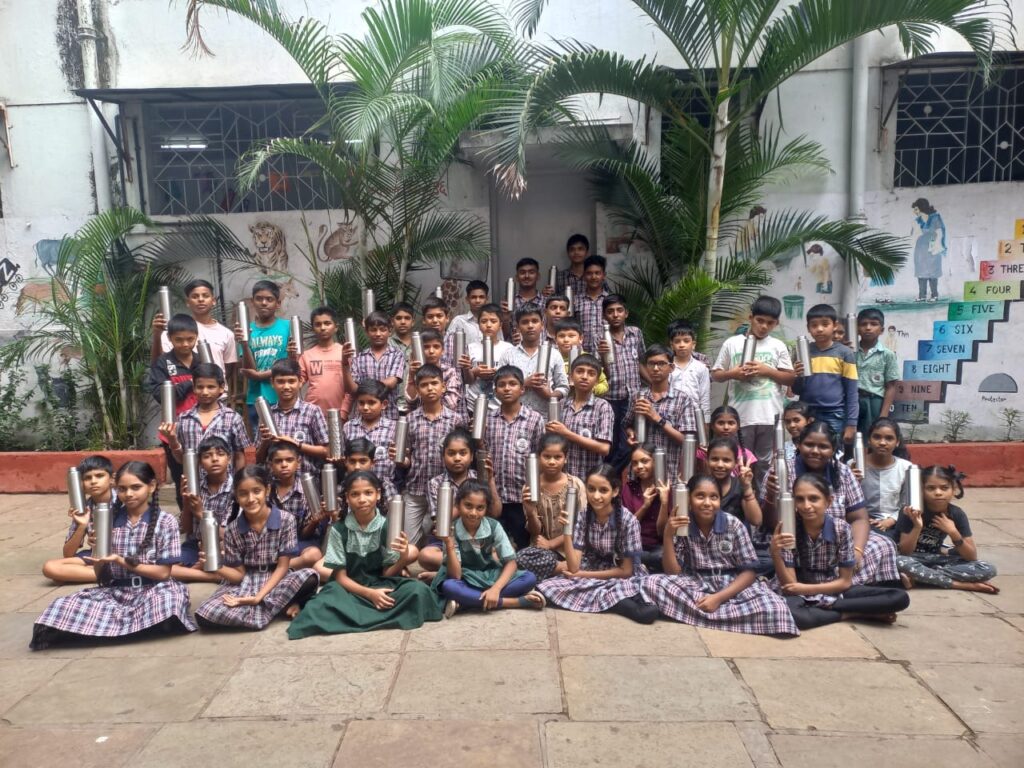
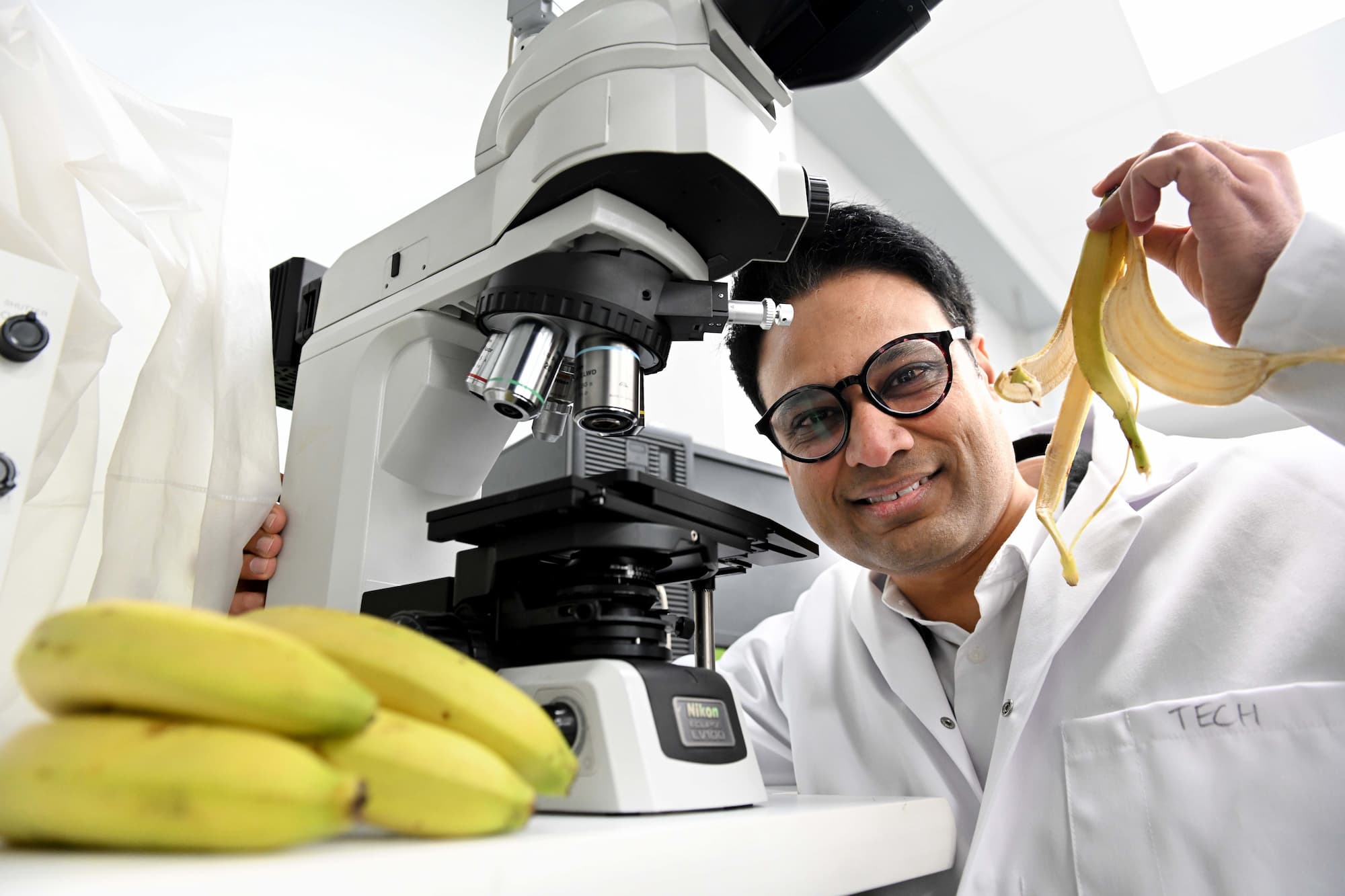
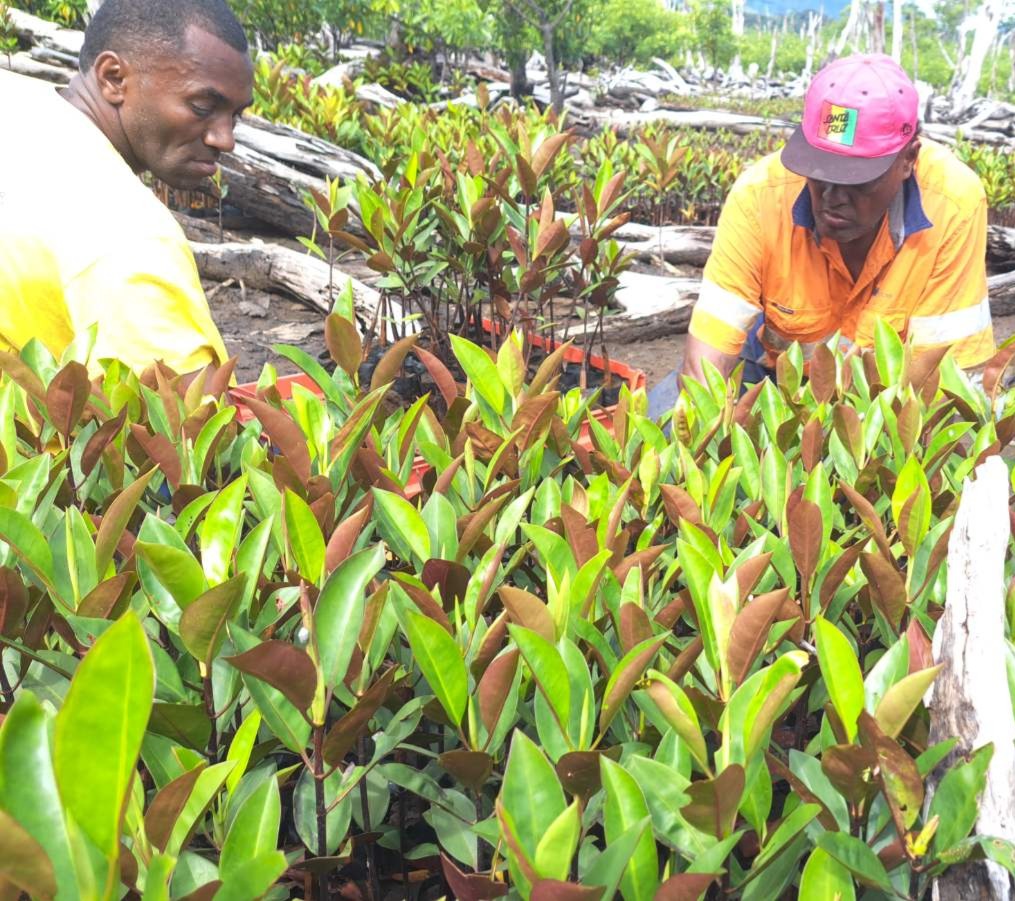
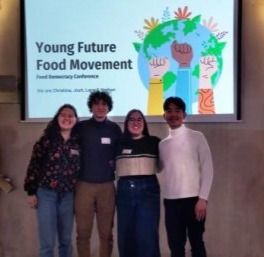
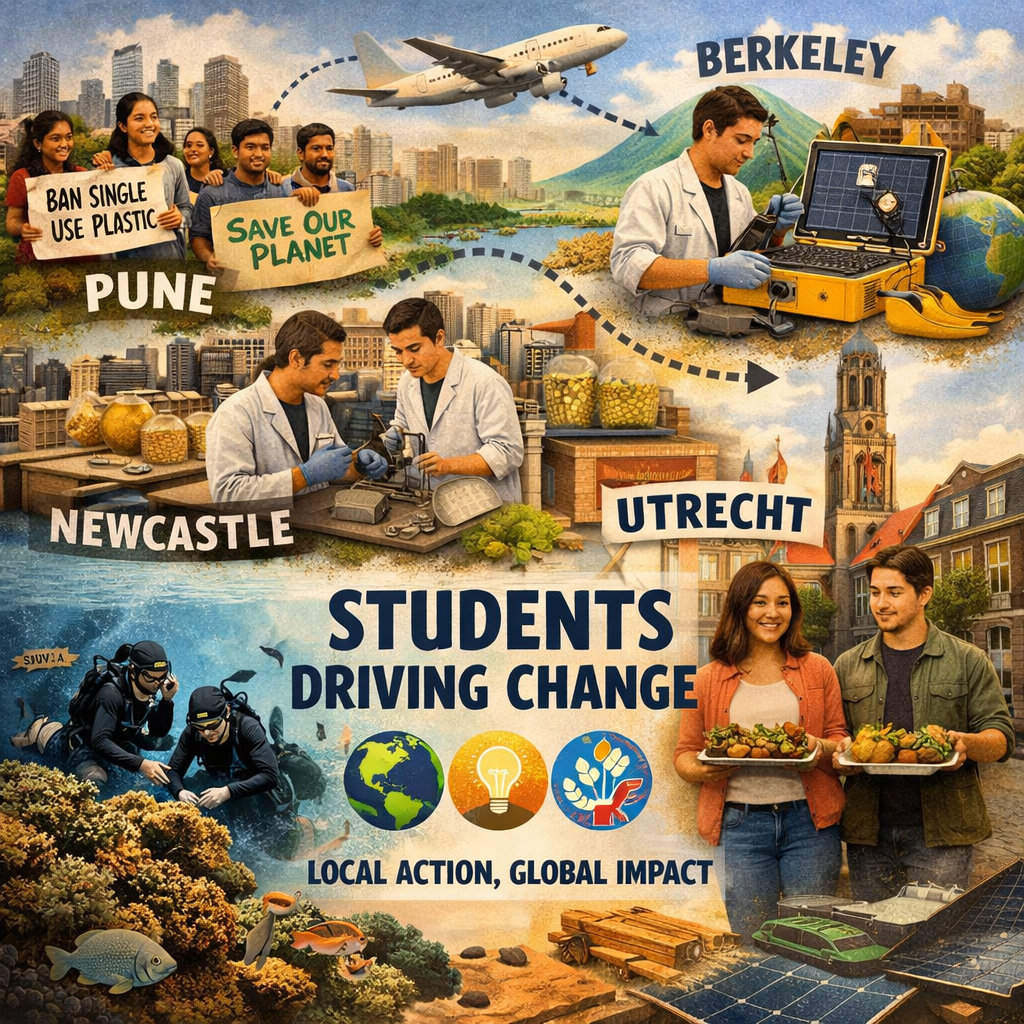
Berkeley to Suva, and then to Utrecht Founder Green TERRE Foundation The stories of this week weave a common thread: students are refusing to be passive learners. They are becoming architects of change, leveraging their campuses as test beds for innovation. Each story exemplifies how academic knowledge, when fused with entrepreneurial spirit and civic duty, can translate into immediate, scalable impact. University campuses are no longer just lecture halls and well laid out roads , but dynamic Living Labs where students lead the fight against the climate crisis through action and innovation. From 80,000 students in Pune driving a city-wide plastic policy, to Northumbria engineers turning banana waste into fuel and textiles, these initiatives show theory put into world-changing practice. At UC Berkeley, student-built "Solar Suitcases" export clean energy from campus labs to global clinics. In Fiji, marine biology students are active "Coral Gardeners," restoring reefs firsthand. In Utrecht, students reshaped campus food policy, creating a real-time lab for measuring carbon savings. Each story highlights the unique power of the university ecosystem. It provides the space, resources, and permission to experiment—to prototype a solution, pilot a policy, or restore an ecosystem. Failure becomes a lesson, and success becomes a scalable model. This is experiential learning at its most vital. Visit www.sccnhub.com |