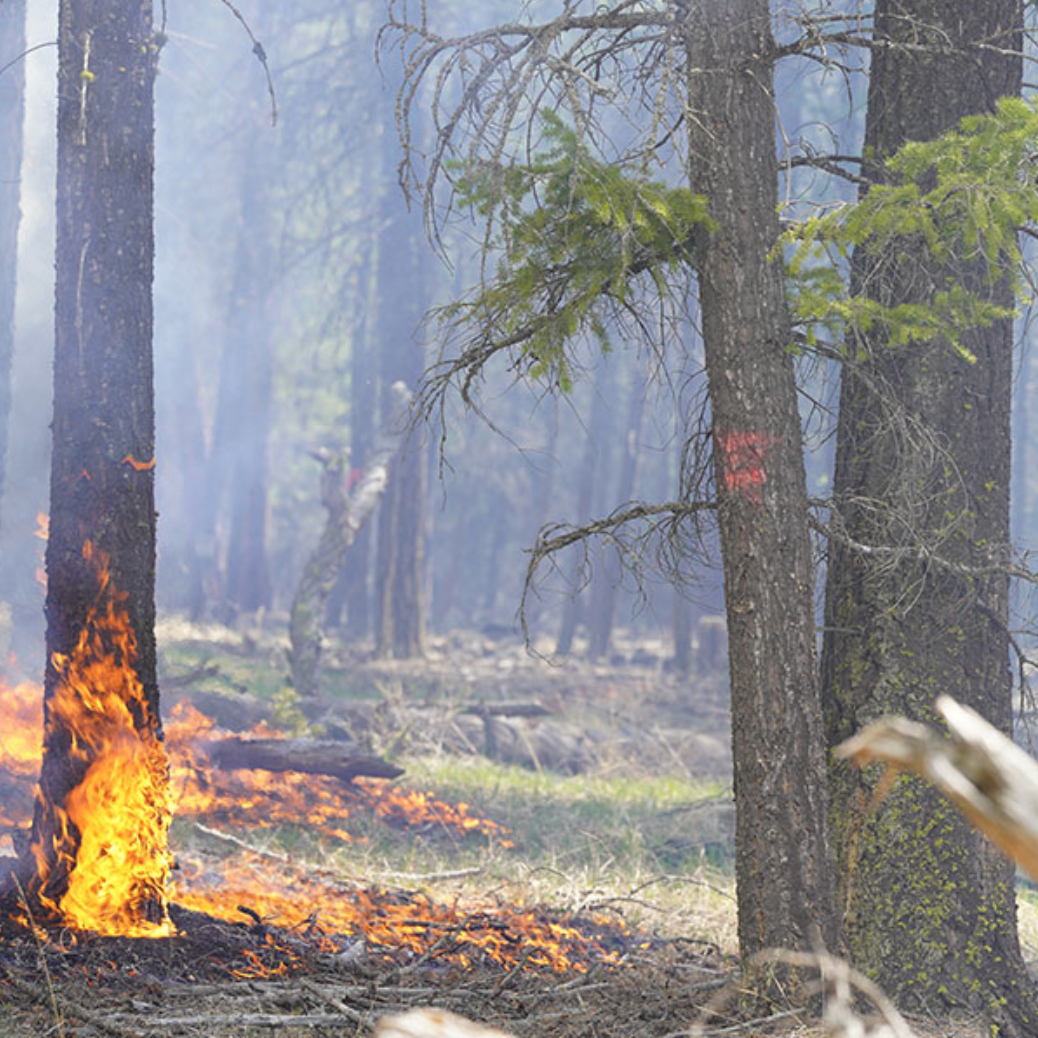
National Fire Squad: Students Deploy Prescribed Burns to Restore Ecosystems
The University of British Columbia - Okanagan Campus(Kelowna, Canada) What: Deployment of an $8M Canadian Prescribed Fire Training Program. How: Students work as practitioners to conduct controlled burns on university lands. Why: To physically restore ecological balance and mitigate carbon release from catastrophic wildfires.Read More
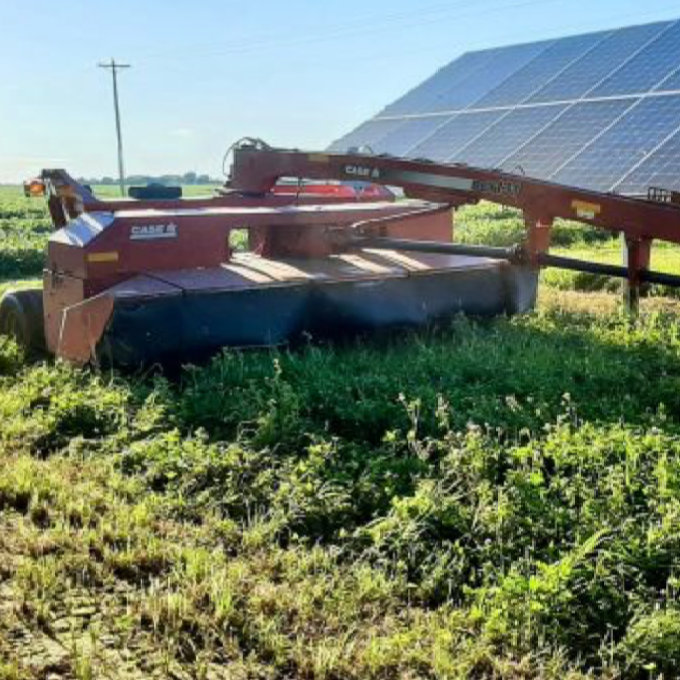
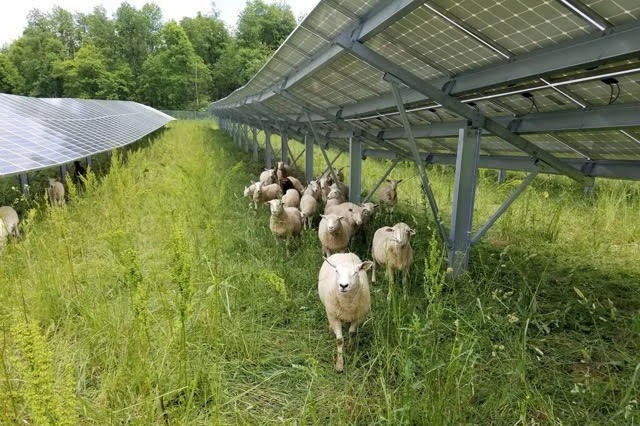
Students Deploy "Agrivoltaic" Sheep to Mow 2.27MW Arrays: Solar Grazers
Michigan State University(East Lansing, USA)
What: Activation of the "Farming in the Solar Future" agrivoltaic program. How: Students manage livestock grazing cycles beneath large-scale solar carports. Why: To eliminate fossil-fuel mowing and create a dual-use land model for energy and local food production.Read More
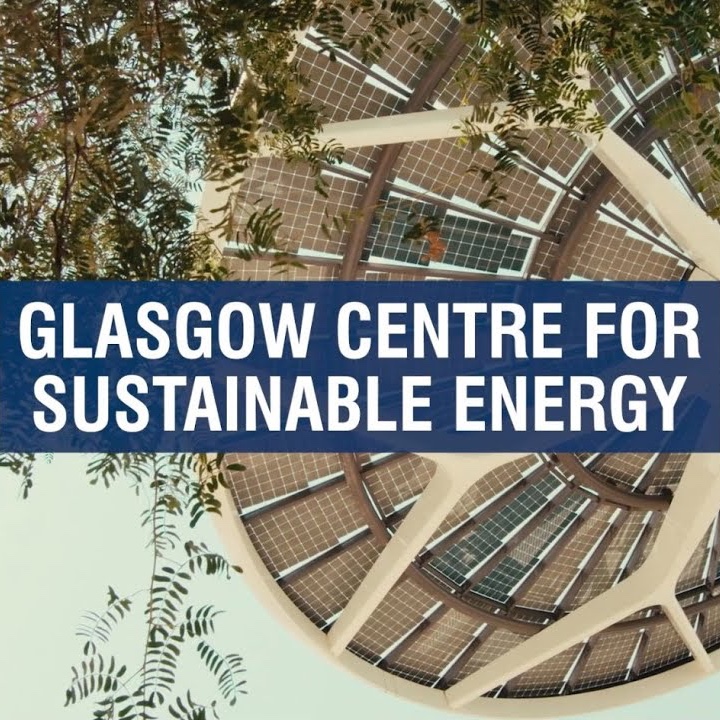
New energy efficiency framework to address global net-zero carbon agenda
University of Glasgow, (Glasgow, UK)
What: Deployment of an AI framework for large-scale building energy assessment. How: Students used thermal satellite data to identify "heat leak" hotspots across campus blocks. Why: To physically prioritize the university’s £20M retrofit schedule based on data, not guesses.Read More
E-Waste Re-Miners: The Student-Led "Youth for Circularity" Repair Lab
University Innovation Pond Hub, (Sierra Leone)
What: Operationalising the "Youth for Circularity 2030" electronics repair hub. How: Students repair and upcycle discarded laptops and phones from across the region. Why: To physically divert toxic e-waste from landfills while providing refurbished technology to low-income peers.Read More
Message Of The Week From Director's Desk
While Wars Widen,
Students Strive for Sustainability
By Dr Rajendra Shende, Founder, Green TERRE Foundation
This week’s stories from university campuses remind me that the road to Net Zero is being paved not only by the force and occupation but by students in collective action and determination. War can expand the short term authority, and action through networks can ensure long term sustainability.
At the University of Glasgow (UK), students are using AI and satellite thermal data to identify “heat-leak” hotspots across campus buildings. Their work is guiding smarter energy retrofits, proving that data-driven youth innovation can accelerate the global Net Zero agenda. At the University of British Columbia - Okanagan Campusin Kelowna, Canada, university students are stepping into the role of ecological practitioners, conducting controlled burns on university lands to restore natural ecosystems and reduce the risk of catastrophic wildfires through the Prescribed Fire Training Program. Meanwhile, through the “Farming in the Solar Future”, an agrivoltaic program, students of Michigan State University at East Lansing, USA,are managing sheep grazing beneath large solar installations, producing clean electricity while sustaining local agriculture. And through the “Youth for Circularity 2030” repair labs, in the University Innovation PondHub in Sierra Leone in Africa, students are rescuing discarded laptops and phones, transforming toxic e-waste into refurbished technology for peers who lack digital access.
Universities are evolving from centres of knowledge into living laboratories of planetary solutions. And the most powerful climate technology emerging from campuses today… is the ingenuity of students themselves.
And, yes, these are equivalent to wars spreading across the region, except that they are wars against the climate! END